


For billions of years, nature has been running the same experiment. Testing variations, rewarding what works, and eliminating what doesn’t. No committee. No intentions. Every advantage we enjoy today exists because it survived in our ancestors. Today, I’m breaking down five mental models you can steal from biology—models that show up in nature, but can also be applied in business and decision making.

Natural selection is the hidden hand that shapes life. Random variation produces differences. Traits that improve survival and reproduction spread; the rest disappear. The same is true in modern life. Skills, strategies, and ideas are constantly being tested in the real world. We keep what works. We get rid of what doesn’t. This assymety puts us in a state of constant improvement. The danger is assuming yesterday’s advantages will protect you tomorrow. Beware of black swans.
Black Swan: an unpredictable or unforeseen event, typically one with extreme consequences.
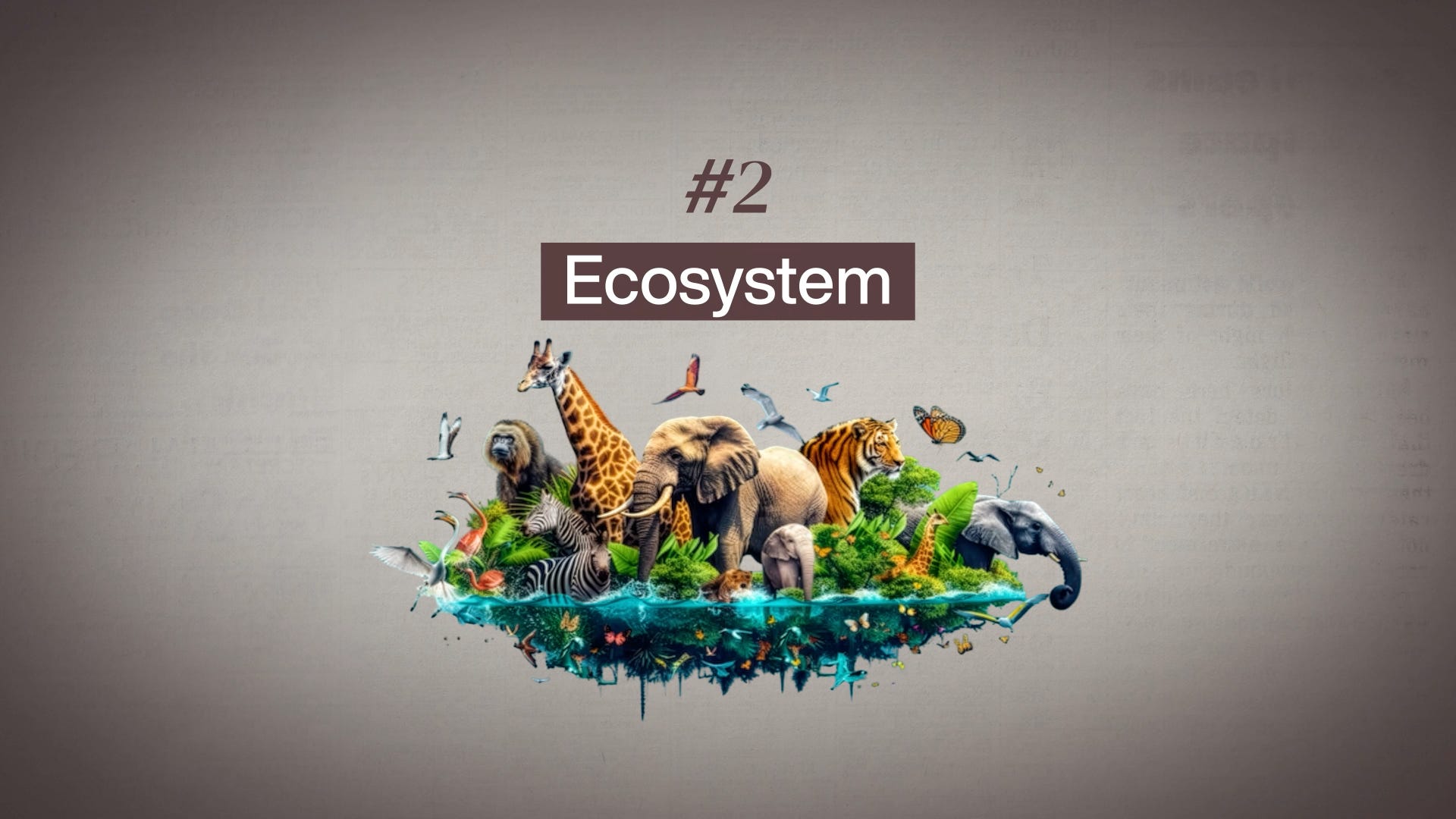
In nature, ecosystems self-regulate. Small disturbances like forest fires, clear out dead material, recycle nutrients, and make room for growth. When humans extinguish every small fire, fuel builds up. Then, when a wildfire breaks out, it is beyound our control. The same dynamic exists in our own lives. Sleep, habits, work, relationships, and feedback loops are interconnected. Trying to overpower the system usually backfires, or at least as unforseen second order effects. Understanding the system and working with it produces better long-term results. We are not above the ecosystem, but part of it.
Stability rewards specialization, until it doesn’t.
Generalists can survive in many environments but face constant competition. Specialists thrive in stable conditions with fewer rivals, but become fragile when the environment changes.
Nature rewards both strategies at different times. The mistake is committing too fully to one without maintaining flexibility. When a niche disappears, there must be somewhere else to go.
Self-preservation is the core instinct behind everything living: protect the organism, protect the offspring, protect the species. In humans, though, self-preservation isn’t just physical, it’s psychological. We protect our identity, our social status, our sense of being “right.” That’s why criticism online can feel like an existential threat, not a simple disagreement. The defensive reactions, like doubling down, virtue signaling, and silencing dissent are all attempts to preserve our identity. They’re about survival of the self.
The problem is that this instinct is ancient hardware running in a modern world. When we over-optimize for safety—avoiding discomfort, avoiding risk, avoiding being wrong, we don’t just reduce downside, but also upside. The balance is the point: protect what’s essential, but stay exposed to some risk when there’s real potential reward. In the long run, the biggest risk is taking none.
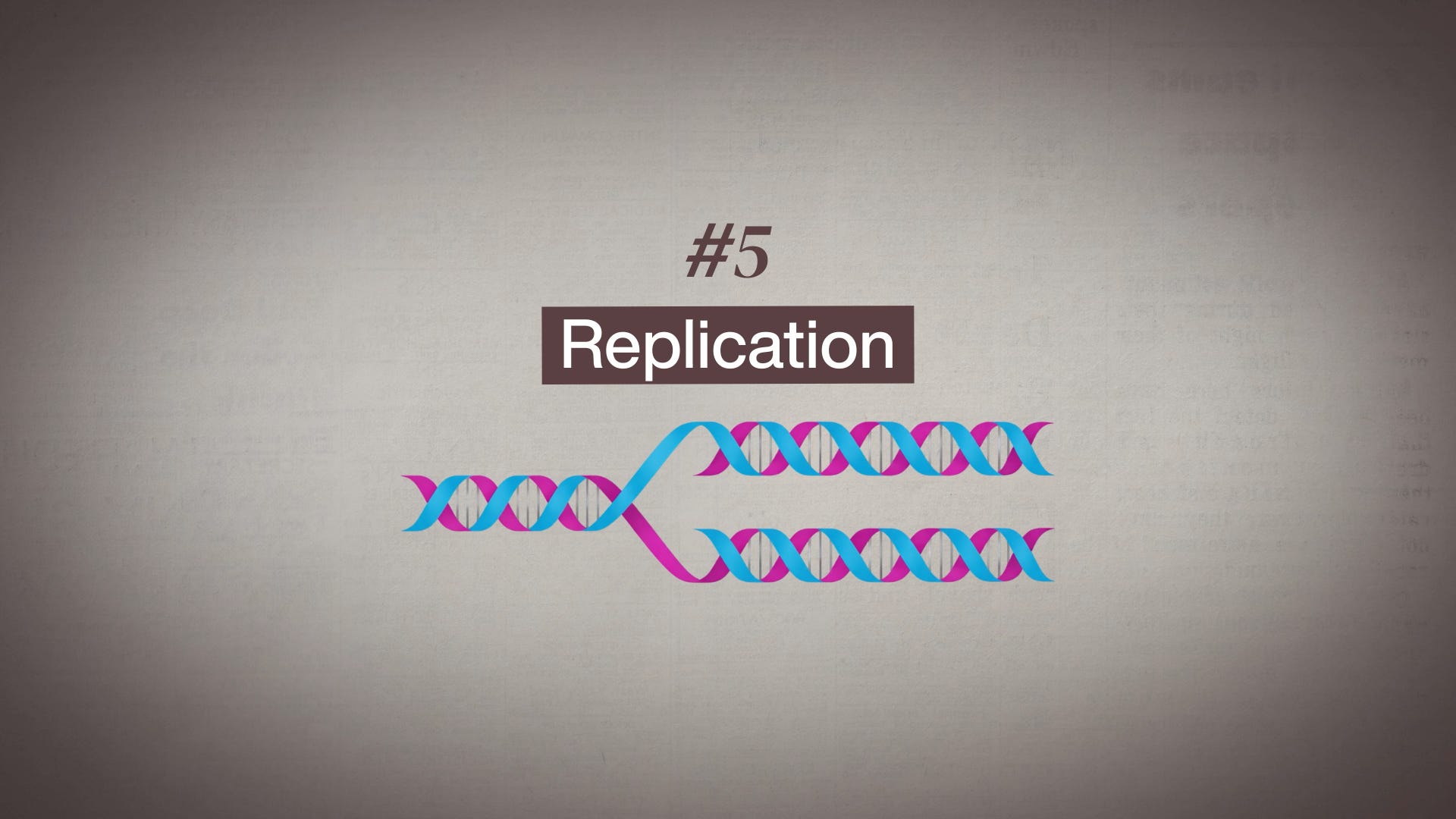
Replication is how information survives. But it’s never perfect, and that imperfection is the point. Errors introduce variation, and variation allows adaptation. Perfect repetition would lead to stagnation. Unchecked replication becomes cancerous.
The same principle applies outside biology. Careers, companies, and personal strategies all rely on replication. We copy what worked before—habits, routines, beliefs—and try to reuse them in new situations. But blind repetition is dangerous. What worked in one environment may not work in another. You want enough structure to preserve what’s valuable, and enough flexibility to modify it.
Retain the ability to adjust, prune, and evolve your approach as conditions shift. Successful systems create space for experimentation, error, and improvement. That balance is what allows survival over the long run.
Which one of these resonates with you the most? I'd love to hear how you might use these in your own life!
If this resonated, the pieces linked below probably will as well. They come from the same book. Cheers!
— Dante

Get the Build a Bulletproof 2026 PDF
The Sunday Systems Weekly Planner
Get the book this was based on