


Picture this: It's Monday morning, and you have big plans to finally start working on that project you've been dreaming about—writing a book, starting a business, or even just organizing your life. You sit down with a fresh cup of coffee, ready to dive in.
But before you can even take a sip, the fires start popping up. Your inbox is flooded with emails that feel urgent, so you start replying. Then your phone buzzes—your coworker needs you to jump on a "quick" call. The dog is barking because you forgot to let them out, and by the time you sit back down, it's lunchtime.
The rest of the day feels like a blur: answering texts, running errands, dealing with unexpected requests. When the day ends, you're completely exhausted, and that project you cared so much about? It hasn't moved an inch.
Sound familiar?
When you live this way—constantly reacting to the urgent—your life starts to own you instead of the other way around. Every day feels like a race, but you're not the one holding the map. You're letting the loudest demands dictate your direction.
You might not even notice it at first—it feels productive to answer emails immediately, rush to every meeting, or say yes to every request. But over time, something starts to feel off. You look up and realize you're a hamster on a wheel, always reacting but never really moving forward.
Enter the Eisenhower Matrix
President Dwight D. Eisenhower once said,
"What is important is seldom urgent, and what is urgent is seldom important."
This insight led to the creation of a simple but powerful tool that helps you cut through the chaos and take back control of your life.
Here's how it works. The matrix is split into four quadrants:
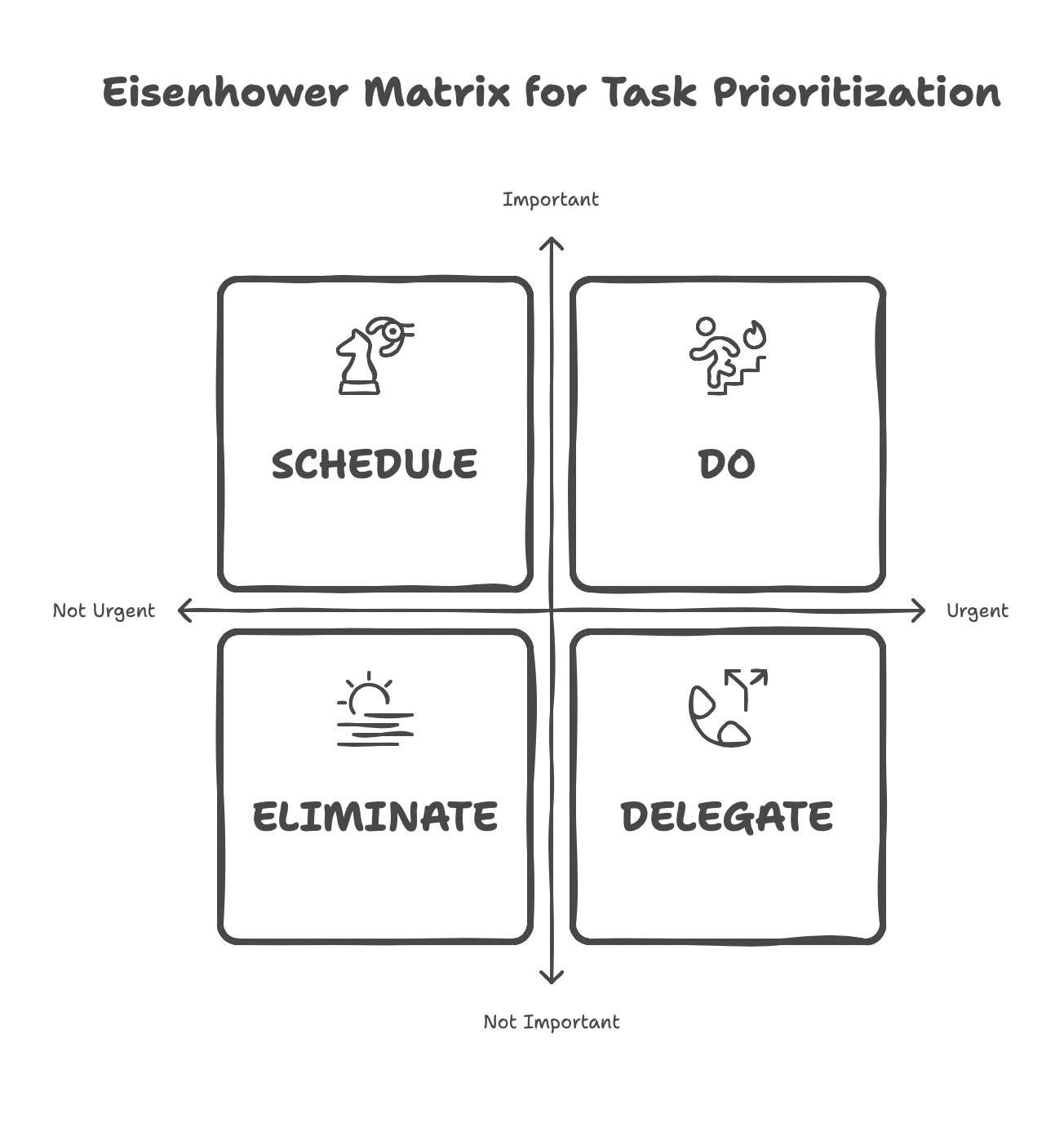
1. Urgent and Important (Do)
These are the tasks that cannot wait. They're the fires that truly need putting out—like helping a sick family member or meeting a critical deadline at work. These tasks deserve your full attention, but the goal is to minimize how often you live in this quadrant.
2. Important but Not Urgent (Schedule)
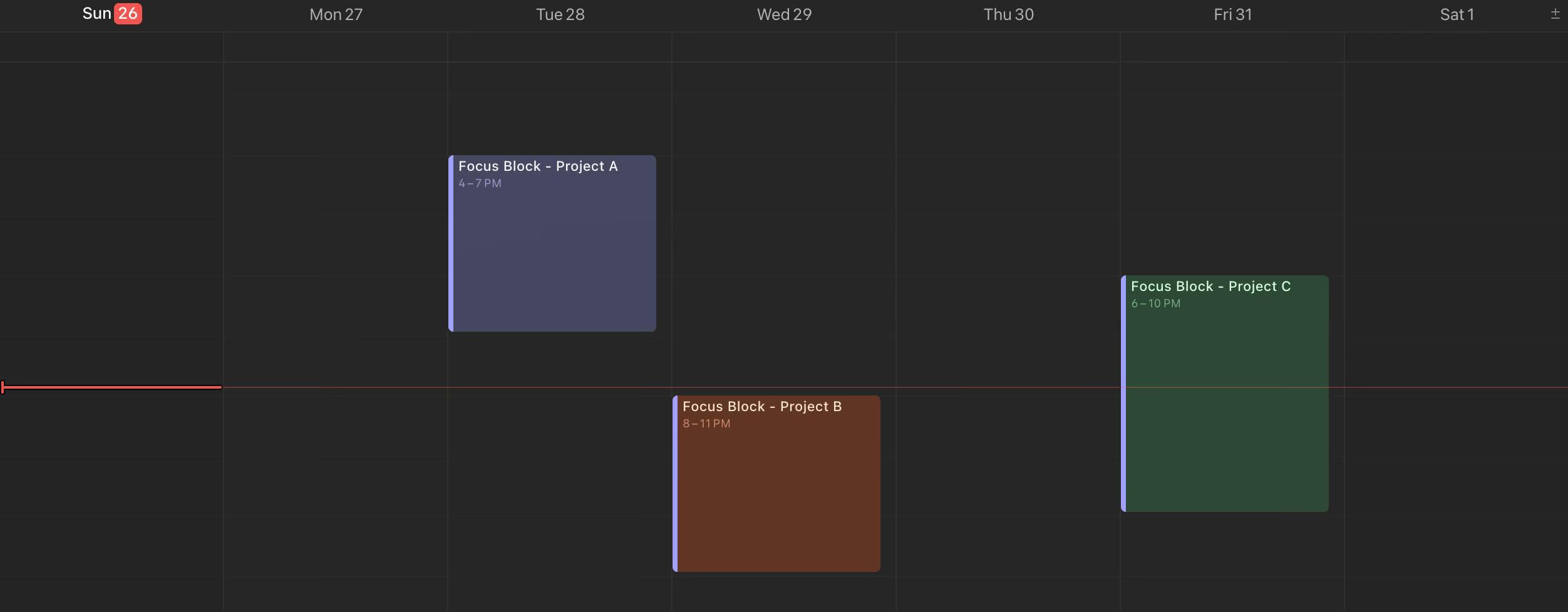
This is where the magic happens. These tasks are tied to your long-term goals and values—things like learning a skill, building a relationship, or starting a dream project. They're important, but they're easy to push off because they don't demand your attention. The key? Schedule these tasks. Block out time for them like you would for anything urgent.
3. Urgent but Not Important (Delegate)
These tasks feel pressing and may contribute indirectly to your goals, but—and this is the key distinction—they don't require YOUR specific skills or attention to be completed. While these tasks need to get done, they don't need to be done by you personally.
For example:
- Scheduling meetings with clients is important for your business, but an assistant could handle it.
- Organizing data in spreadsheets might be crucial for a project, but you could delegate it to a team member.
The urgency of these tasks can trick us into thinking we must handle them ourselves. But if your time could be better spent on tasks that truly require your unique skills or leadership, delegation is the answer.
4. Not Urgent and Not Important (Eliminate)
This is where distractions live. Scrolling social media, binge-watching TV, or obsessing over things that don't really matter. These tasks don't serve you, and it's time to cut them out—or at least drastically reduce them.
Take Back Control of Your Life
The first step to reclaiming your time is simple: take inventory of your life.
Set aside just five minutes today. Grab a pen and paper, or open a notes app, and list everything that's going on—every task, commitment, or worry. Don't overthink it—just write it all down.
Now, sort those tasks into the Eisenhower Matrix:
- What needs to be done right now? (Urgent and Important)
- What will be key in terms of moving you closer to your goals, but isn't on life support? (Important but Not Urgent)
- What feels urgent but could be handled by someone else? (Urgent but Not Important)
- What's wasting your time and energy? (Not Urgent and Not Important)
Take Action
1. Pick one task from the Important but Not Urgent quadrant, and block time for it on your calendar this week.
2. Identify one task from the Not Urgent and Not Important quadrant, and let it go.
3. If you're in a position to do so, pick one task from the Urgent but Not Important quadrant and delegate it.
In my observation, this is the hardest one for people to do. They get caught in the trap of "If I want it done correctly, I have to do it myself." This mindset can limit your potential for growth. Overcome this by simplifying and documenting the process you plan to delegate. Once you can explain it to a kindergartner and have them repeat it back to you, it's ready to be outsourced.
This simple act of reflection will help you take the first step toward living intentionally. Because when you own your time, you own your life.
What’s Next?
Taking control of your time is just the beginning. Next week, we’re diving into a principle so transformative it’s often called the secret to building an extraordinary life. It’s a strategy so fundamental that it quietly shapes lives, yet its true power often goes unnoticed. Those who grasp its potential find themselves building extraordinary momentum; those who ignore it often find themselves stuck, paying the price.
Curious? Make sure you’re subscribed so you don’t miss next week’s transformative insight.
This one may be my favorite so far. Super useful. I already do the 5 minute inventory of my life thing every morning & it helps me clear my mind in the morning