


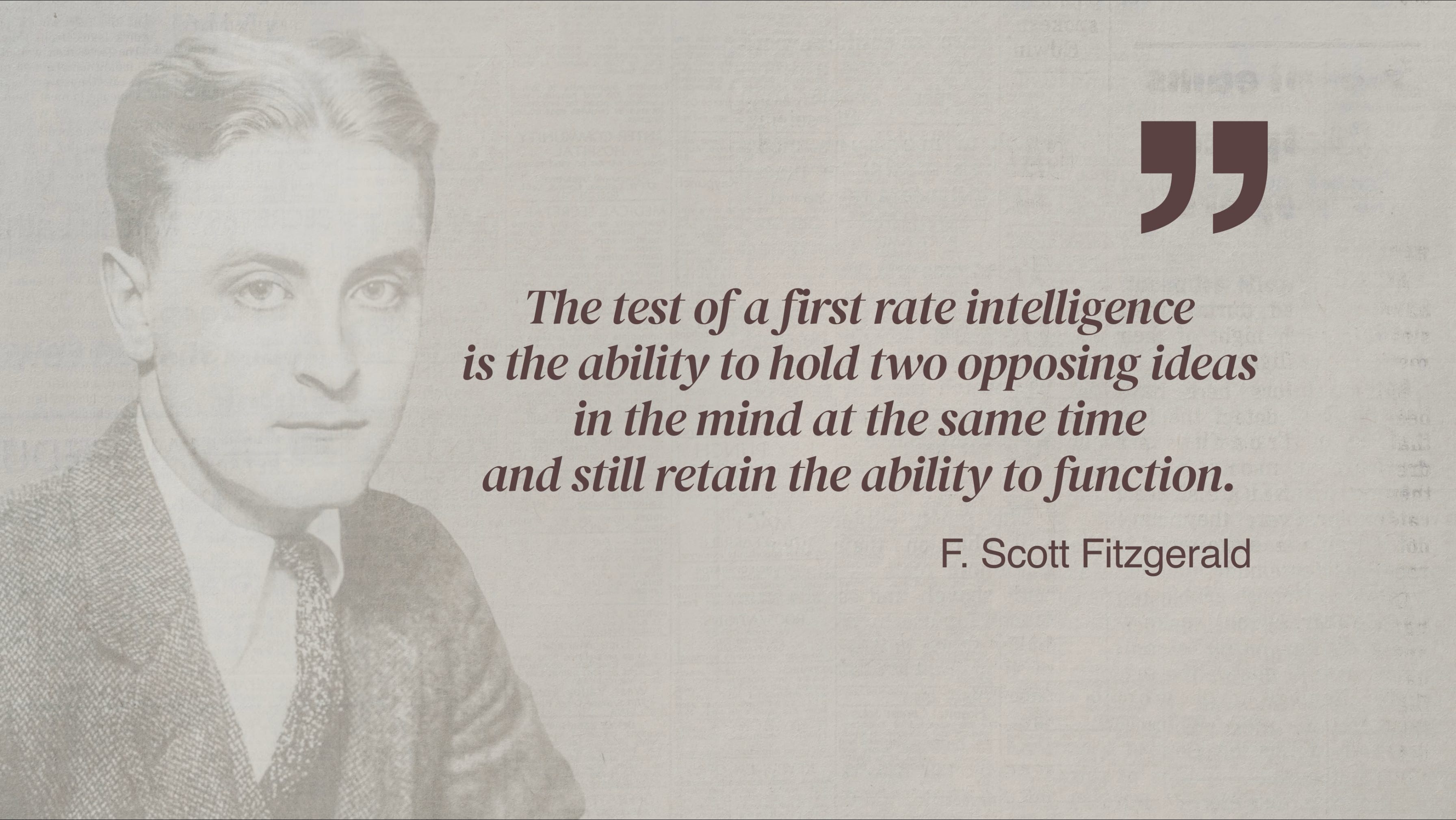
“The test of a first-rate intelligence is the ability to hold two opposed ideas in mind at the same time and still retain the ability to function.”
— F. Scott Fitzgerald
In 1985, Jobs was fired from Apple, the company he had founded in his parents’ garage. At the time, it looked unthinkable. Apple was one of the fastest-growing companies in the world, and Jobs was already a cultural icon. His reputation for intensity and vision—often described as his “reality distortion field”—had carried the company from a garage to global prominence.
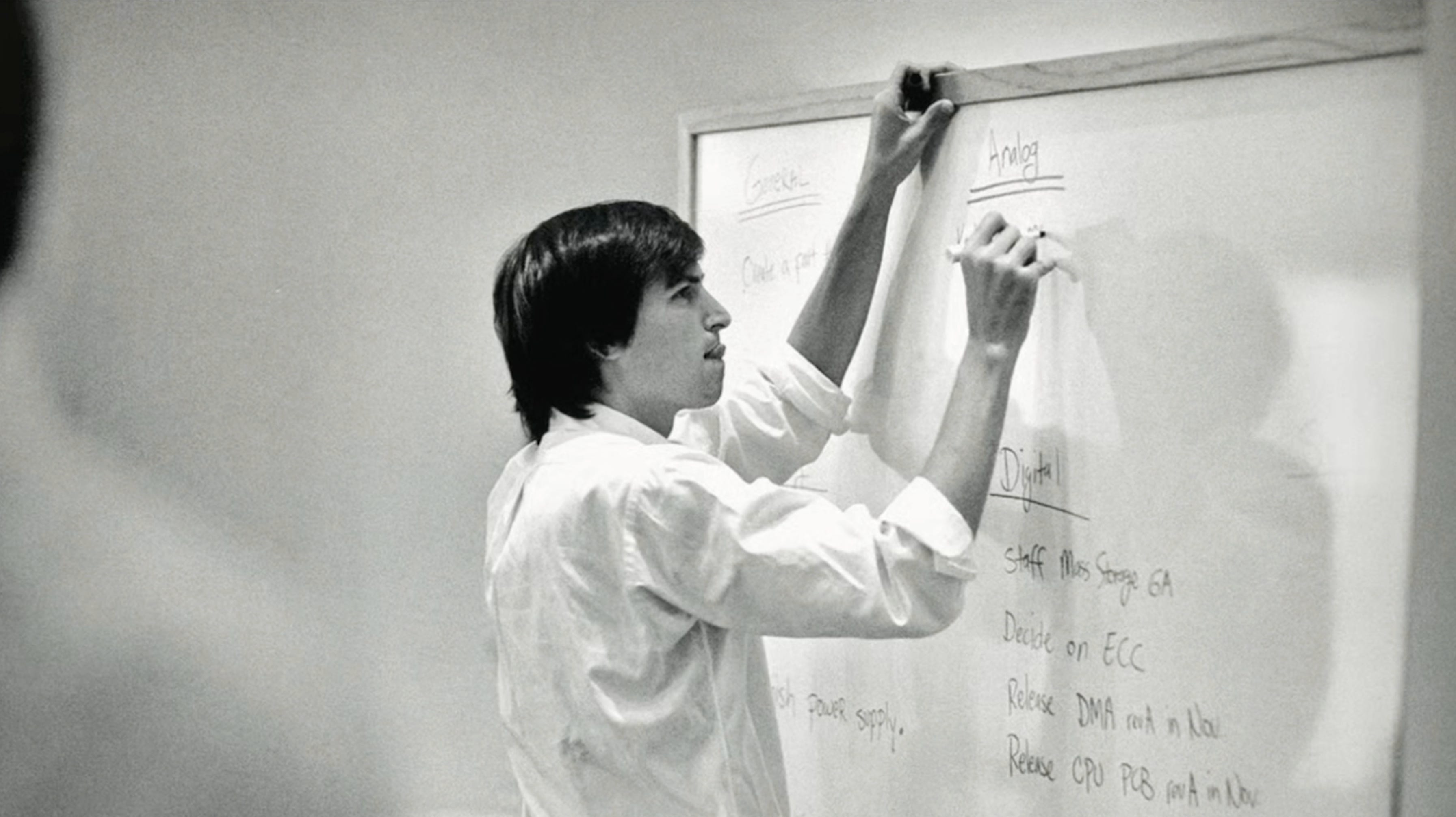
That same quality, however, had become a liability. Jobs equated control with quality. He pushed teams mercilessly, dismissed dissent, and treated disagreement as disloyalty. For a while, the results justified the behavior. Eventually, they didn’t. The Macintosh failed to meet commercial expectations, internal divisions hardened, and the board decided Apple needed adult supervision.
They stripped Jobs of all authority.
He was removed from the Macintosh division — the very project he’d built from nothing.
“What had been the focus of my entire adult life was gone,” he said later. “It was devastating.”
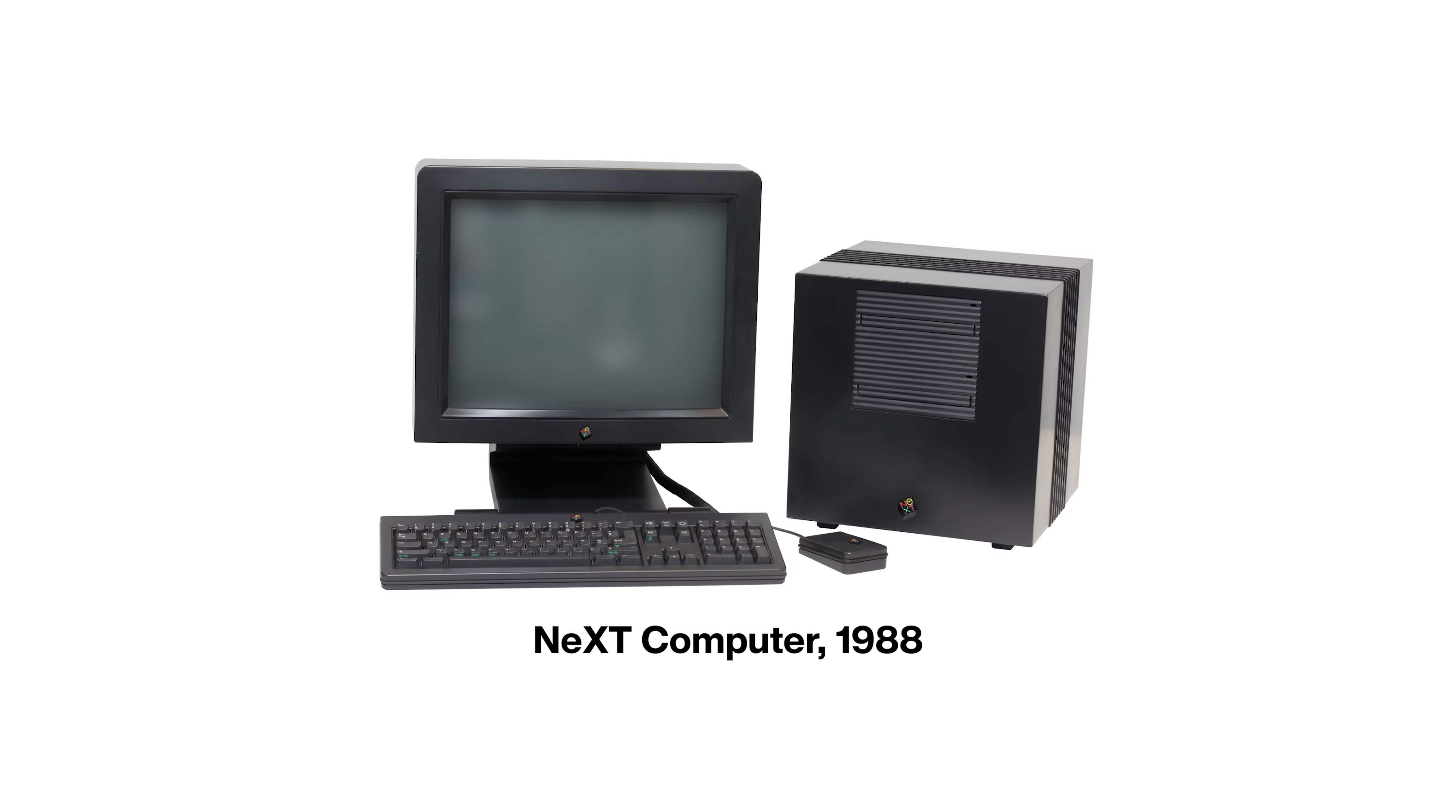
After leaving Apple, Jobs founded NeXT. The company produced beautifully designed machines powered by a technically sophisticated operating system. It was, by most measures, an engineering triumph. It was also far too expensive to succeed commercially.
In parallel, Jobs acquired a small computer-graphics division from George Lucas and renamed it Pixar. Initially, Pixar struggled as well. Its hardware business failed. But inside the company, something else was taking shape: a creative culture built around rigorous, ego-free feedback.
Pixar institutionalized disagreement through its braintrust culture. Directors, writers, and artists participated in sessions where hierarchy was suspended, and ideas were openly challenged. The goal was not to protect anyone’s vision, but to improve the work. Early on, Jobs resisted this approach. He feared it would dilute creativity. What he observed instead was the opposite.
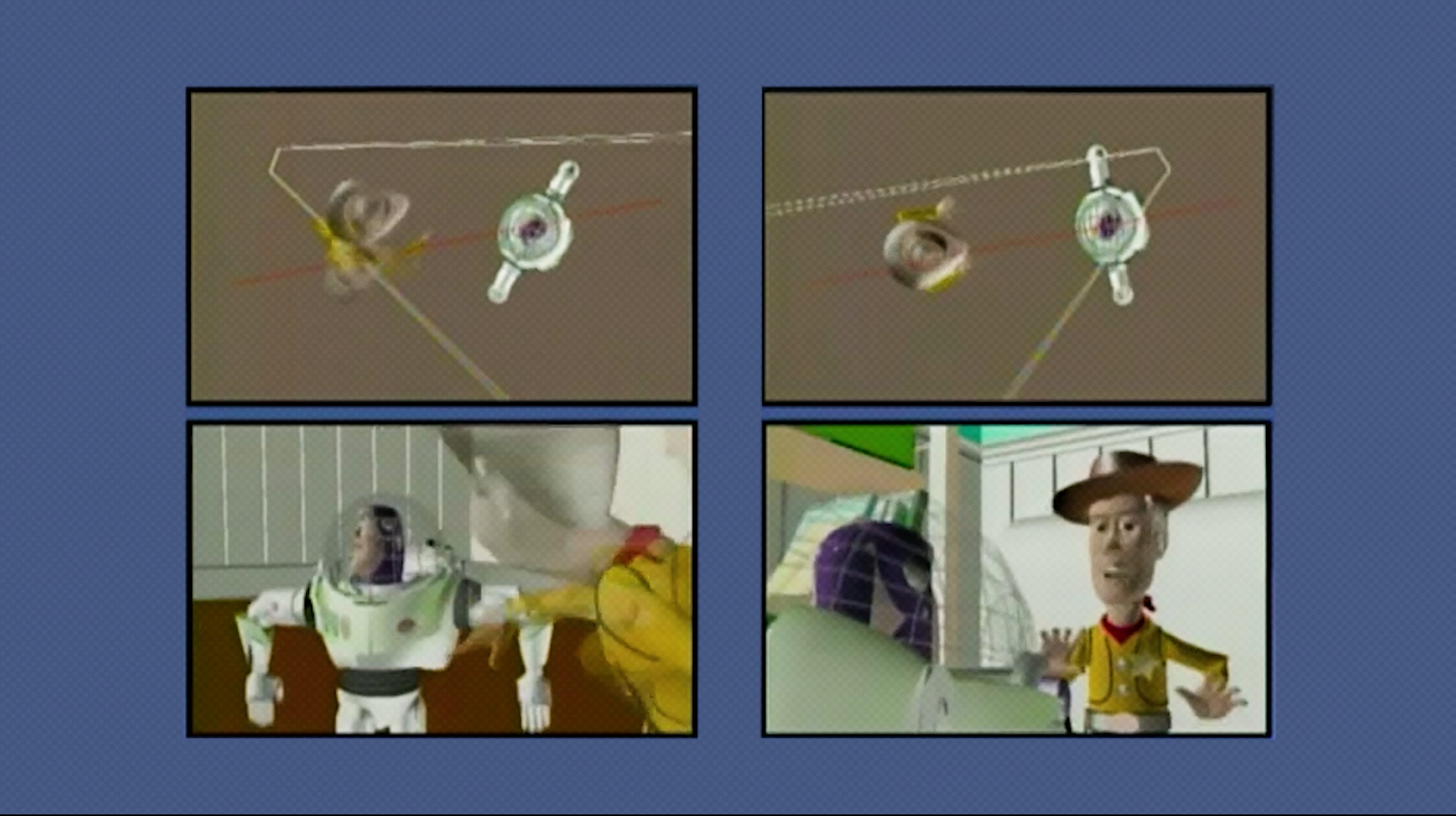
The first version of Toy Story was nearly a disaster. Through repeated cycles of candid critique, the film was dismantled and rebuilt. What emerged was a masterpiece. Jobs saw firsthand that feedback, when directed at the work rather than the ego, did not weaken creative output. It strengthened it.
This marked a turning point. Jobs began to separate conviction from inflexibility. Vision from ego.
By the time Pixar succeeded and Apple called Jobs back in 1996, he had changed.
Apple was then weeks from bankruptcy. Its product line was bloated, its culture confused, and its sense of direction gone. Jobs returned and simplified relentlessly, cutting Apple down to four core products and rebuilding teams around clear ownership and fast feedback loops.
Perhaps the most visible signal of his transformation came when he partnered with Microsoft—long seen as Apple’s enemy. When the audience booed at the sight of Bill Gates, Jobs pushed back. Apple’s survival, he explained, required the ability to let go of old narratives. Winning did not require someone else to lose.
That moment captured what Fitzgerald described decades earlier: the capacity to hold two opposing ideas at once and still function.
Jobs remained demanding. He remained opinionated. What changed was his relationship with feedback. He learned to invite the destruction of his ideas, trusting that what survived would be better.
Apple’s resurgence was built on iteration. The operating system developed at NeXT became the foundation of macOS. Small, integrated teams replaced committees. Designers and engineers worked side by side. Criticism was encouraged, provided it served the product rather than personal status.
Over time, Apple ceased to be a cult of personality. It became a system that could absorb, process, and act on feedback at scale.
Jobs later reflected that being fired from Apple was the best thing that ever happened to him. What he meant was simple: the hardest feedback of his life forced the most meaningful change.
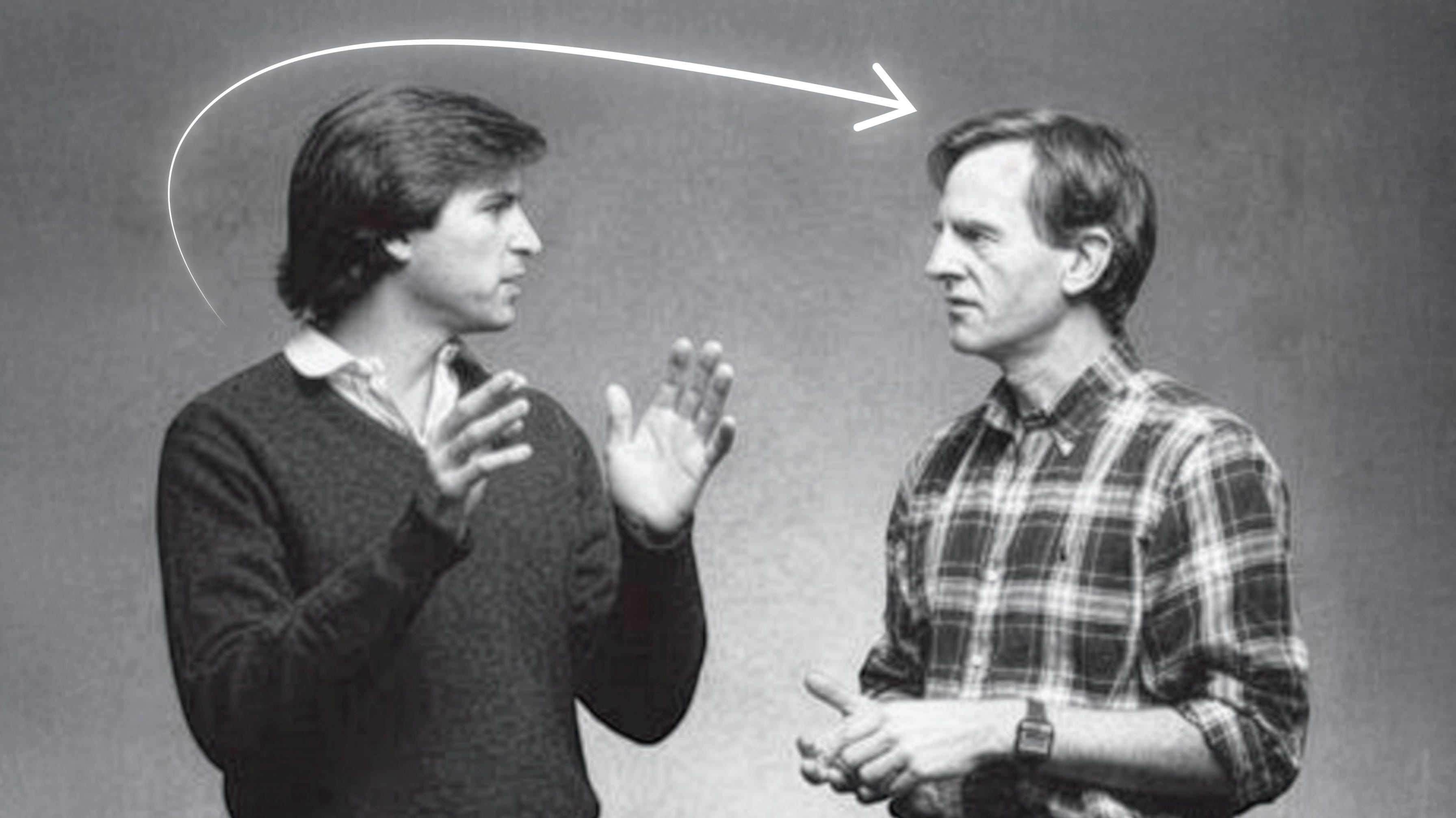
Feedback is uncomfortable because it threatens our identity. It forces a confrontation between who we believe we are and how reality responds to us. We are highly susceptible to protecting our ego in the face of criticism.
Those who can sit with discomfort long enough to find the truth inside it gain an advantage that compounds with time.
And that is what makes the ability to take feedback one of the most competitive long-term advantages you can develop.
If you’re interested in how the world’s top performers consistently think this way, I recently put together a breakdown of nine mental models they rely on again and again. You might find it useful. I’ll link it below.
— Dante

If you use Notion, be sure to pick up my weekly planning template that is SIMPLE and EFFECTIVE. I hate stuff that’s complex for the sake of looking sophisticated.
The Sunday Systems Weekly Planner
Thanks for reading Two Minute Wisdom! Subscribe for free to receive new posts and support my work.
Winning does not require someone else to lose. ~ Dante.