


Every now and then, you come across a pattern that cuts across industries, personalities, and entire life philosophies.
That’s what happened when I was putting this video together.
I watched three separate clips: Jesse Itzler talking about handwritten notes, Derek Sivers walking away from millions, and Charlie Munger describing how he soldiered through the worst year of his life.
They all showed an exemplary character — the set of internal standards that guide your behavior when no one’s checking.
I hope you find them to be as inspiring as I did.
Were you forwarded this email Subscribe here for free!
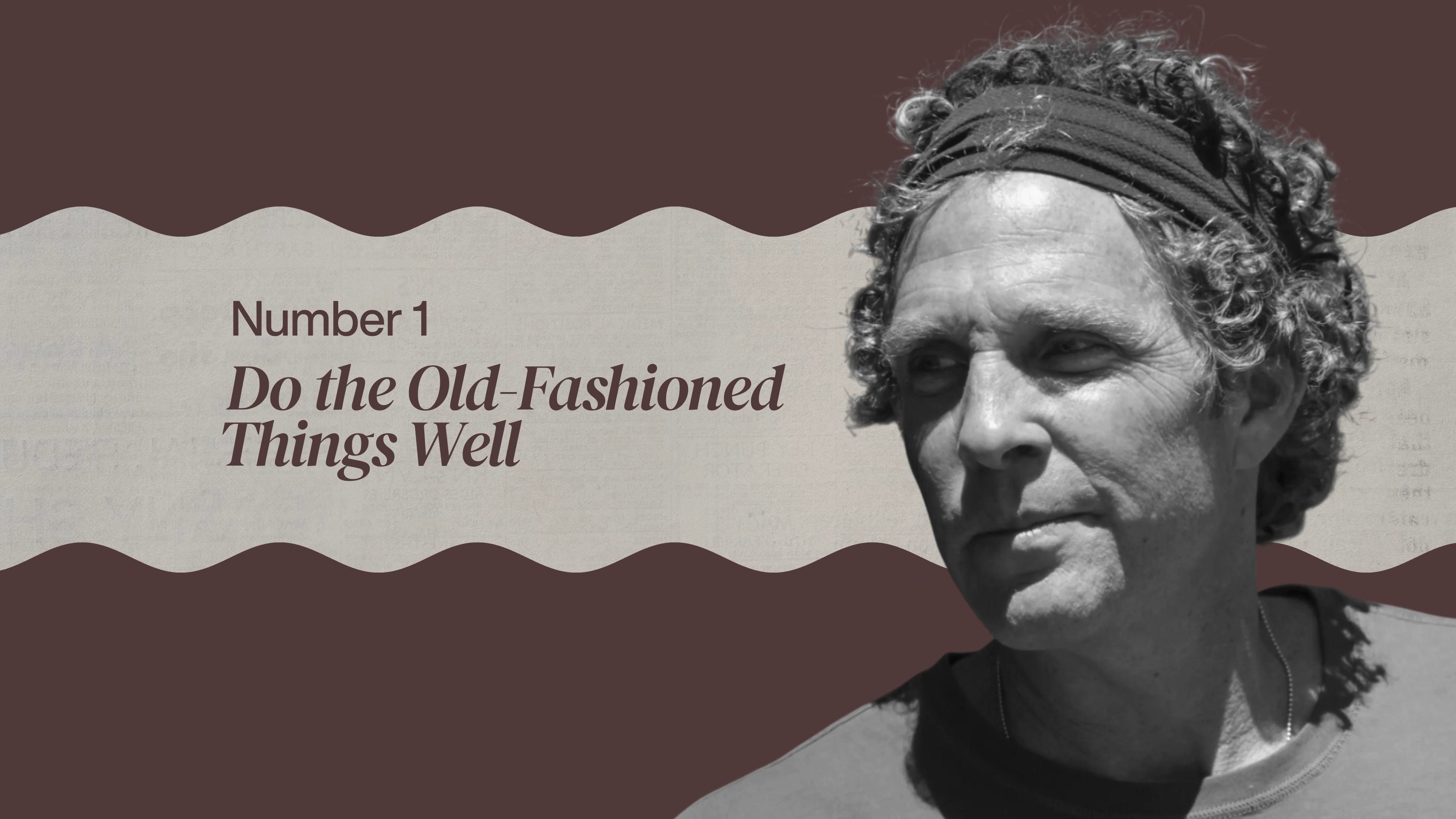
Do the Old-Fashioned Things Well - Jesse Itzler
This nugget comes from entrepreneur and endurance athlete Jesse Itzler, co-founder of Marquis Jet and partner at Zico Coconut Water. But to understand why this lesson matters, it helps to rewind to his early twenties. Jesse didn’t come up with any money, connections, or credibility. He was sleeping on friends’ couches, trying to get traction in business, and had no audience, no leverage, and no marketing budget. What he did have was time and a willingness to do things manually when automation wasn’t available.
Itzler explains that one of his earliest and most consistent habits was writing handwritten letters, sometimes 10 per day, which became his entire marketing strategy in his twenties. He estimates this amounted to roughly 3,000 letters a year! Not all of them led to opportunities, but he viewed them as seeds rather than transactions. Today, he continues the practice as part of his annual closeout, writing 20 to 50 handwritten thank-you notes every December to people who have moved the needle in his life — podcast hosts, suppliers, teachers, employees, and family members.
Itzler’s point here is that old-fashioned actions still work because they require effort.
They can’t be outsourced, filtered, or ignored. People may miss emails, DMs, or messages handled by assistants, but they read physical letters.
More importantly, they feel the energy of the effort! Applied to life, this habit reinforces the idea that doing simple things well — expressing gratitude deliberately, not asking for anything, and taking time when shortcuts exist — builds trust and goodwill that compound over time. This advantage comes from thinking of others first, a sign of strong character.
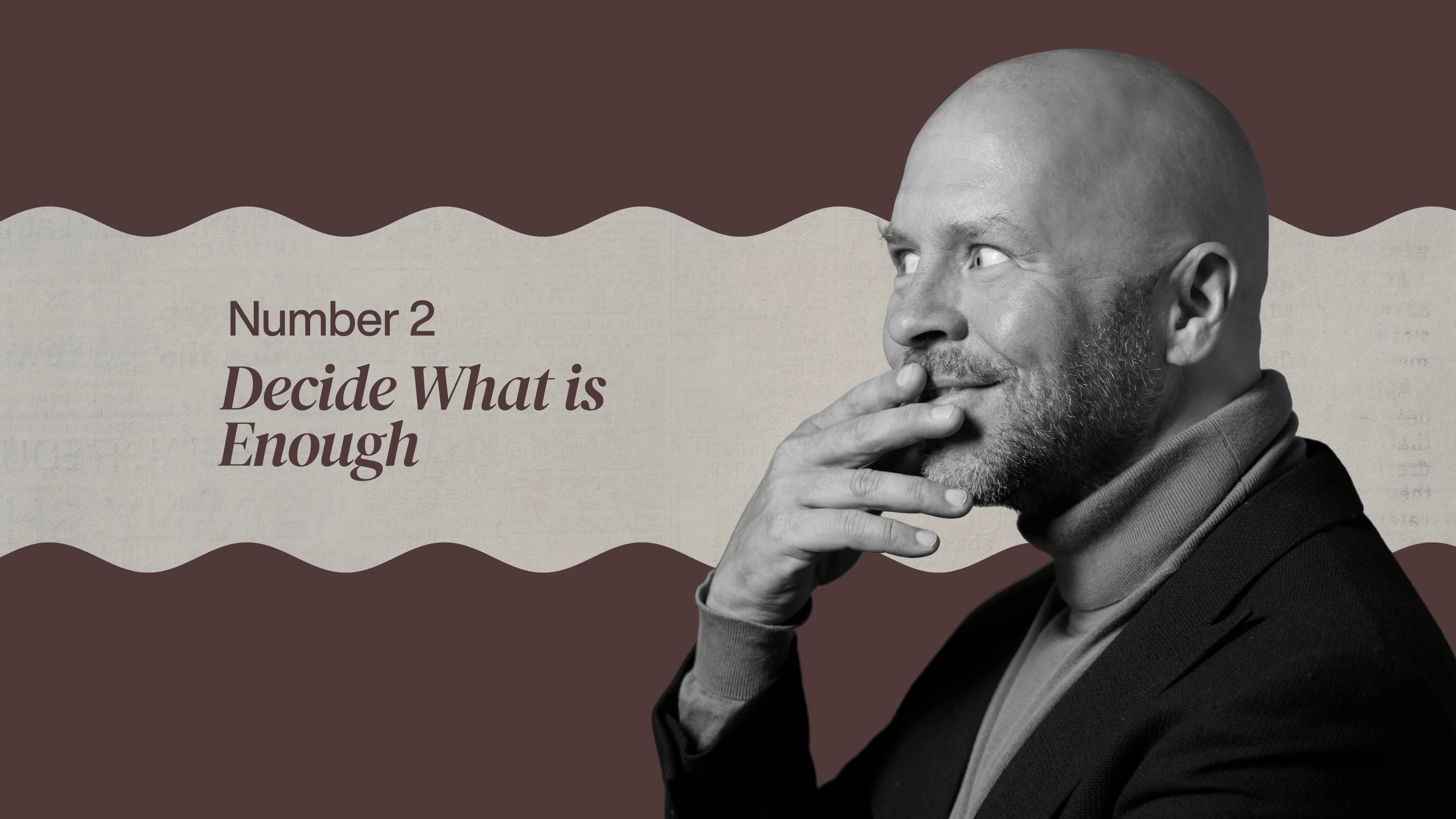
Decide What is Enough - Derek Sivers
This next nugget comes from Derek Sivers, the founder of CD Baby — an independent music distribution platform that helped musicians sell their music directly to fans. Sivers is also the author of the books Anything You Want, Hell Yeah or No, and How to Live. Beyond building and selling a successful company, he’s known for his unique takes on success, money, and happiness. His perspective on life shaped how he ran his business, how he chose a buyer, and how he ultimately walked away.
What’s important here isn’t the amount of money involved, but the discipline behind the decisions. Sivers had already defined his limits at much smaller numbers, which meant he wasn’t negotiating with temptation in the moment. He could choose a buyer aligned with his values, step away from a business he no longer believed in, and ignore the pressure to optimize for more. Applied to life, this is about defining what enough looks like — for money, work, and ambition — so your decisions stay grounded in what you’ve pre-determined rather than what the outside world pushes you toward.
The brain is wired to want more. More resources, more status, more control — because those instincts once increased your chances of survival. The problem is that in modern life, those same drives don’t naturally shut off. Without pre-set limits, ambition expands automatically. When people are asked how much money they need to feel satisfied, the answer almost always increases with income. Without deliberate limits, ‘enough’ keeps moving.
Siver’s restraint demonstrates exemplary character. He defined his limits early, then acted consistently with them even when more was available. I tip my hat to him.
Applied to your own life, this starts small. Practice saying no when saying yes would only satisfy ego or habit.
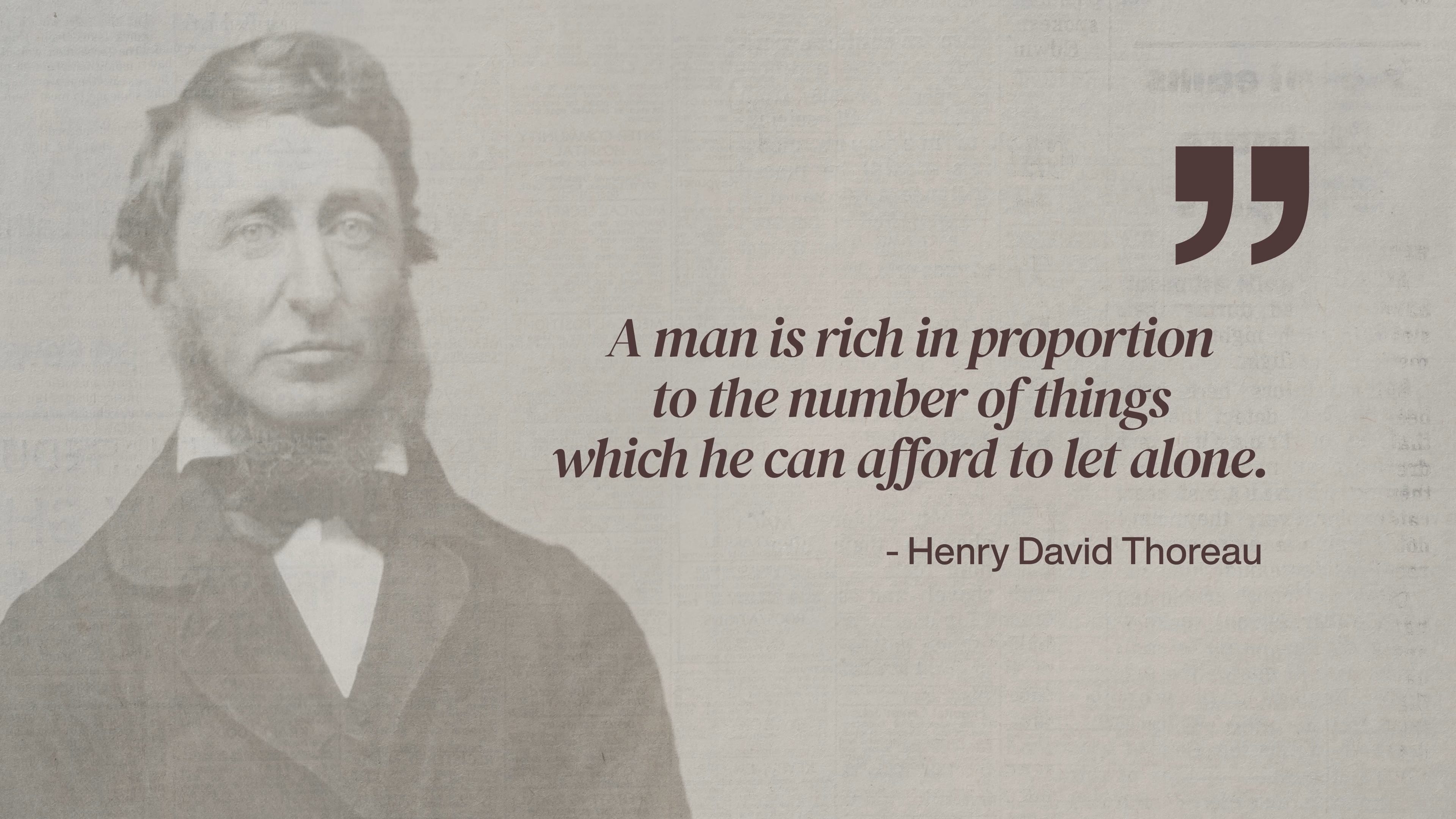
I’m grateful for Derek’s example; it shows that knowing when you have enough is as powerful as knowing how to get more.
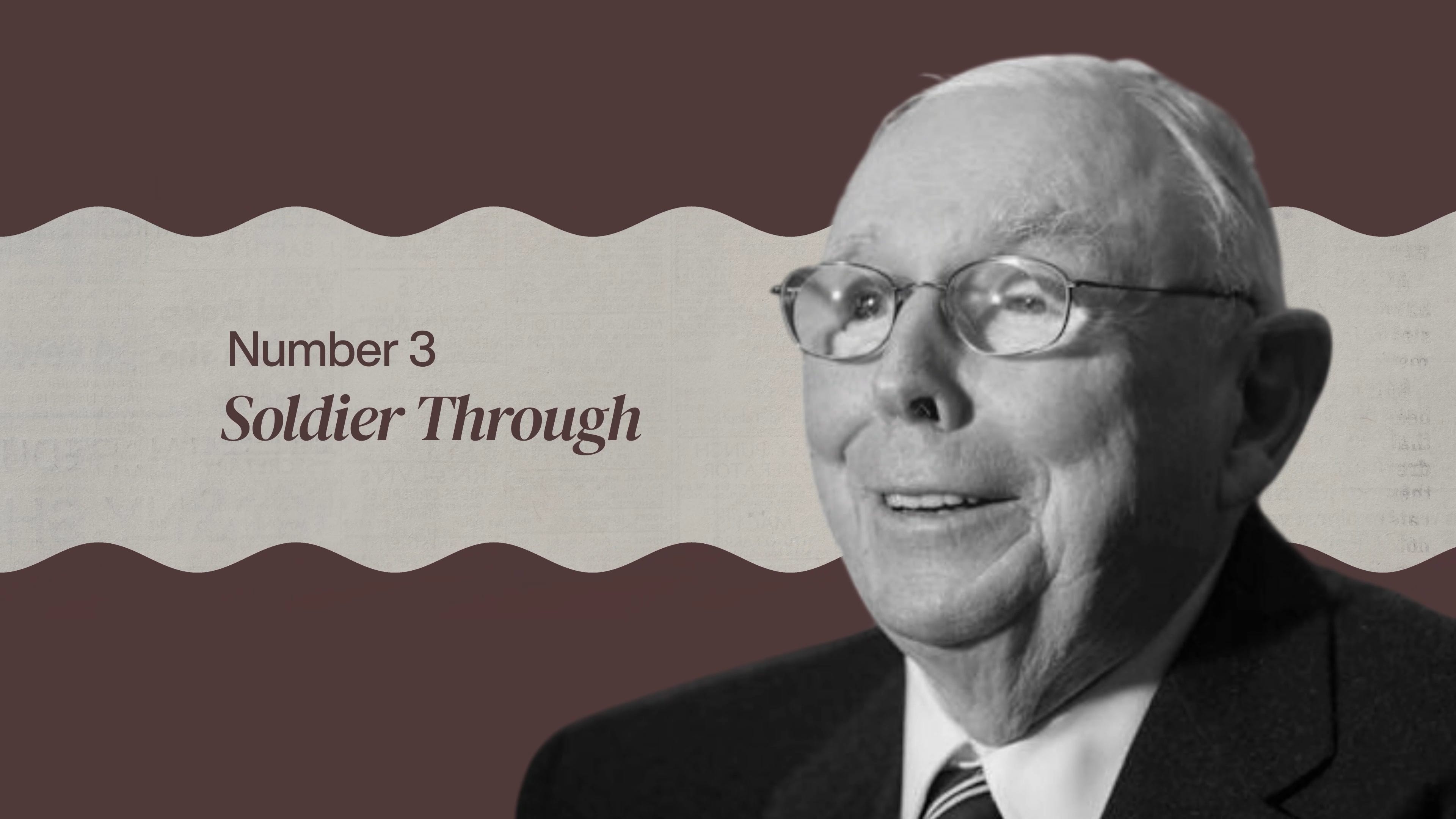
Soldier Through - Charlie Munger
This nugget comes from the final interview of Charlie Munger, Vice Chairman of Berkshire Hathaway, and business partner of Warren Buffett.
But first I want to take you back to when he was 30 years old. A Harvard-educated lawyer who appeared to have it all, but under the hood things weren’t going so well. Charlie was getting a divorce, and he lost custody of his children. Shortly after, his 8-year-old son Teddy was diagnosed with leukemia, and despite the best medical efforts, Teddy passed away. At the same time, a speculative real estate investment failed, leaving Charlie financially ruined. Around this time, he had a cataract surgery that went terribly wrong, leaving him with excruciating pain and blindness in one eye.
Munger describes “soldiering through” as the only viable response when reality cannot be changed, and states that the iron rule of life is that everybody struggles.
Munger’s point here is that some parts of life cannot be fixed, only endured. In these moments, the relevant skill is not optimism, it’s not intelligence, it’s the ability to continue living without denying what hurts. You can grieve, feel lost, or be overwhelmed, while still maintaining your basic responsibilities and sense of direction. Over time, this preserves continuity in your life, preventing a single painful chapter from defining everything that comes after it. Soldiering through is about staying present long enough for life to change on its own.
Taken together, these three examples point to the same underlying idea: people discount the power of character, the internal standards that don’t fluctuate with convenience, pressure, or circumstance.
Writing the note when you could send a text, stopping the gravy train when you could keep going, and soldiering through when nothing can be fixed all indicated an exemplary character.
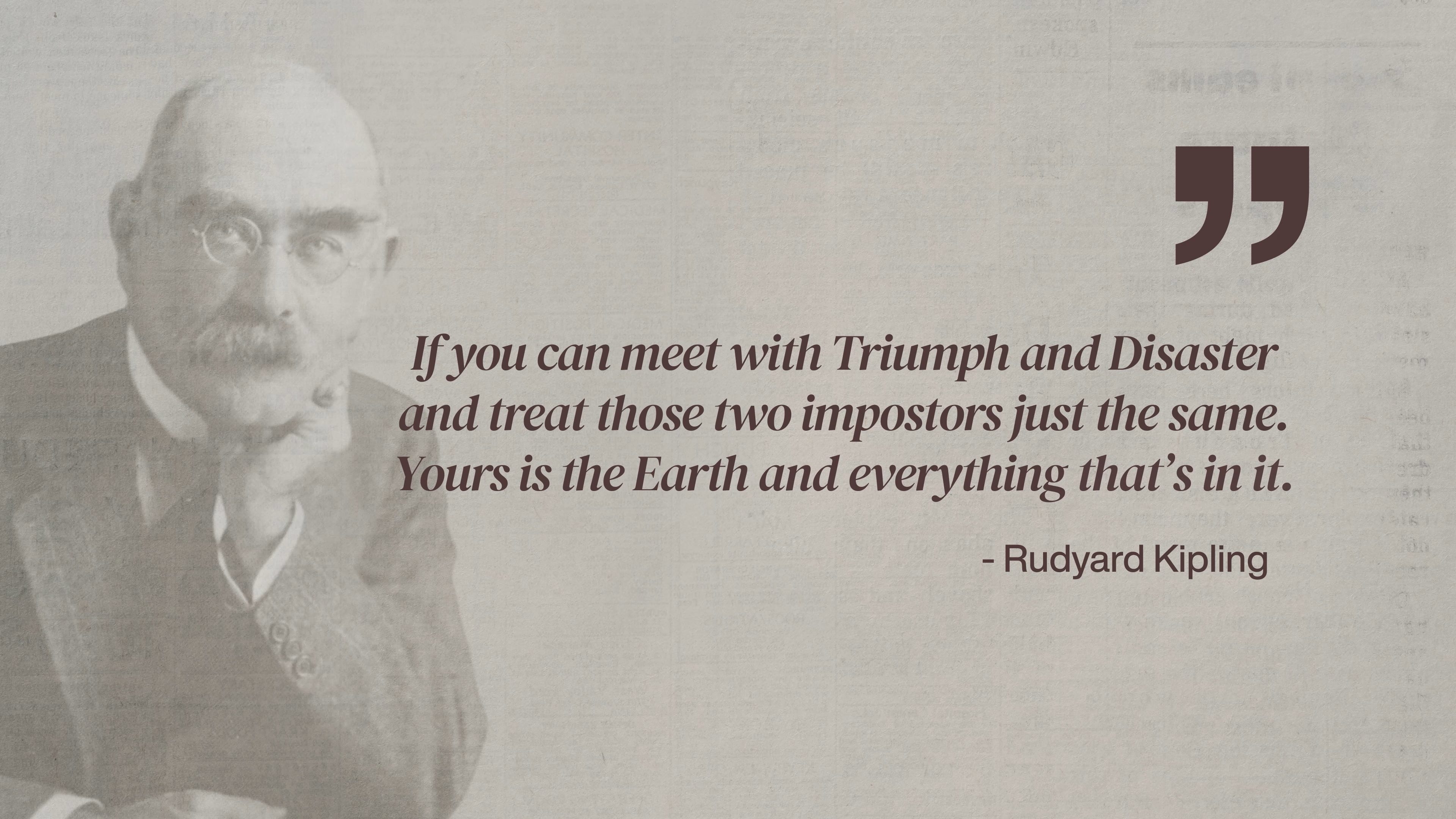
With that in place, trust can compound, decisions become simple and the world opens itself up to you.
- Dante
Check out my new website! I vibe-coded it from scratch using Cursor.
My Products
The Sunday Systems Weekly Planner (Free)
My Socials
YouTube. LinkedIn. Instagram. X
My last post

the one thing the greatest entrepreneurs had that never gets talked about:
they built systems before they needed them.
Jobs had the distribution before the product. Musk had the vision before
the team. they weren't reacting; they were setting up dominoes.
the hardest part is doing that when you're not yet at a scale where it
feels urgent. that's where most people wait too long.